
What a Local Commercial Painting Company Does Before, During, and After Your Job
Painting a commercial property involves more than choosing a color and scheduling a crew. A business may need to keep its doors open, protect customer areas, and coordinate work around employees, deliveries, or tenants. The building's condition also shapes the preparation work. Understanding the stages of a project helps owners and property managers ask practical questions, compare proposals, and avoid surprises. A thoughtful process addresses the appearance of the finished surfaces as well as the disruption required to get there.
Defining Project Goals During the Initial Consultation
The first conversation should establish what needs painting and why. An office may be refreshing customer-facing rooms, while a retail property could need an exterior update or repairs to worn trim. The contractor should ask about operating hours, access restrictions, desired colors, and areas where work cannot interrupt business. Photos and maintenance records can help.
When considering local commercial painting, describe the results you want rather than relying on a broad request for a fresh coat. Specific goals help the contractor distinguish cosmetic work from surfaces that need repairs or special coatings.
Inspecting Surfaces and Identifying Necessary Repairs
An on-site visit lets the contractor examine the materials and conditions that will affect the job. Peeling paint, moisture stains, chalky surfaces, rust, or damaged caulking may point to preparation needs. Interior projects also require attention to wall repairs, high-traffic areas, and equipment that cannot be moved easily.
The inspection should clarify which repairs fall within the painting scope and which call for another qualified trade. Painting over active leaks or deteriorating material does not solve the underlying problem. Addressing those issues before coating begins can reduce premature failure and unexpected change orders.
Selecting Appropriate Colors, Coatings, and Finishes
Businesses may want finishes that support their brand, improve visibility, or create a welcoming space. Reviewing samples on site helps account for lighting. Sheen matters as well: some finishes are easier to clean, while others are better at concealing minor surface imperfections.
According to Revive Real Estate, a well-done exterior paint job can increase a property's value by 2% to 5%, depending on paint quality, color choice, and overall home condition. This is not a guaranteed return for a commercial building, but it reinforces the importance of thoughtful material decisions. A local commercial painting contractor should explain how coatings suit the surface and expected wear.
Reviewing the Estimate and Agreeing on the Schedule
A useful written proposal identifies the areas to be painted, surface preparation, products, number of coats, and cleanup responsibilities. It should also describe exclusions, such as repairs not yet assessed, and explain how changes will be approved. Comparing only the bottom-line price can hide differences in preparation or materials.
Scheduling deserves equal attention. Ask whether work will take place during business hours, after closing, or in stages. Weather can affect exterior painting, while occupied interiors may require additional planning for ventilation and access. Discuss who will open the property, protect sensitive equipment, and approve each completed area.
Preparing Work Areas and Protecting Daily Operations
Before painting begins, crews typically arrange access, move or cover nearby belongings, and protect flooring, landscaping, signs, and fixtures as appropriate. Foot traffic may require rerouting. Property managers should communicate those changes to employees, occupants, or customers early enough for them to plan.
Contractors must also account for ladders, lifts, and other job-site hazards. Work areas should be separated from public spaces when necessary, and product use should follow applicable safety requirements. For local commercial painting projects in occupied buildings, ask how odors, dust, noise, and access will be managed. A realistic plan protects people without promising that work will cause no interruption.
Cleaning, Repairing, and Priming the Surfaces
Surface preparation often takes longer than property owners expect, but it directly influences coating adhesion. Depending on the material, crews may wash away dirt, remove loose paint, repair minor defects, fill gaps, sand rough patches, and apply primer. Metal, masonry, drywall, and previously painted wood have different preparation needs.
Ask which conditions will be corrected before paint is applied and how the contractor will handle anything newly uncovered. Older coatings or hazardous materials may require specialized assessment and procedures rather than routine sanding. Skipping preparation to speed up the schedule can leave visible defects and shorten the useful life of the finish.
Applying Paint With the Right Equipment and Conditions
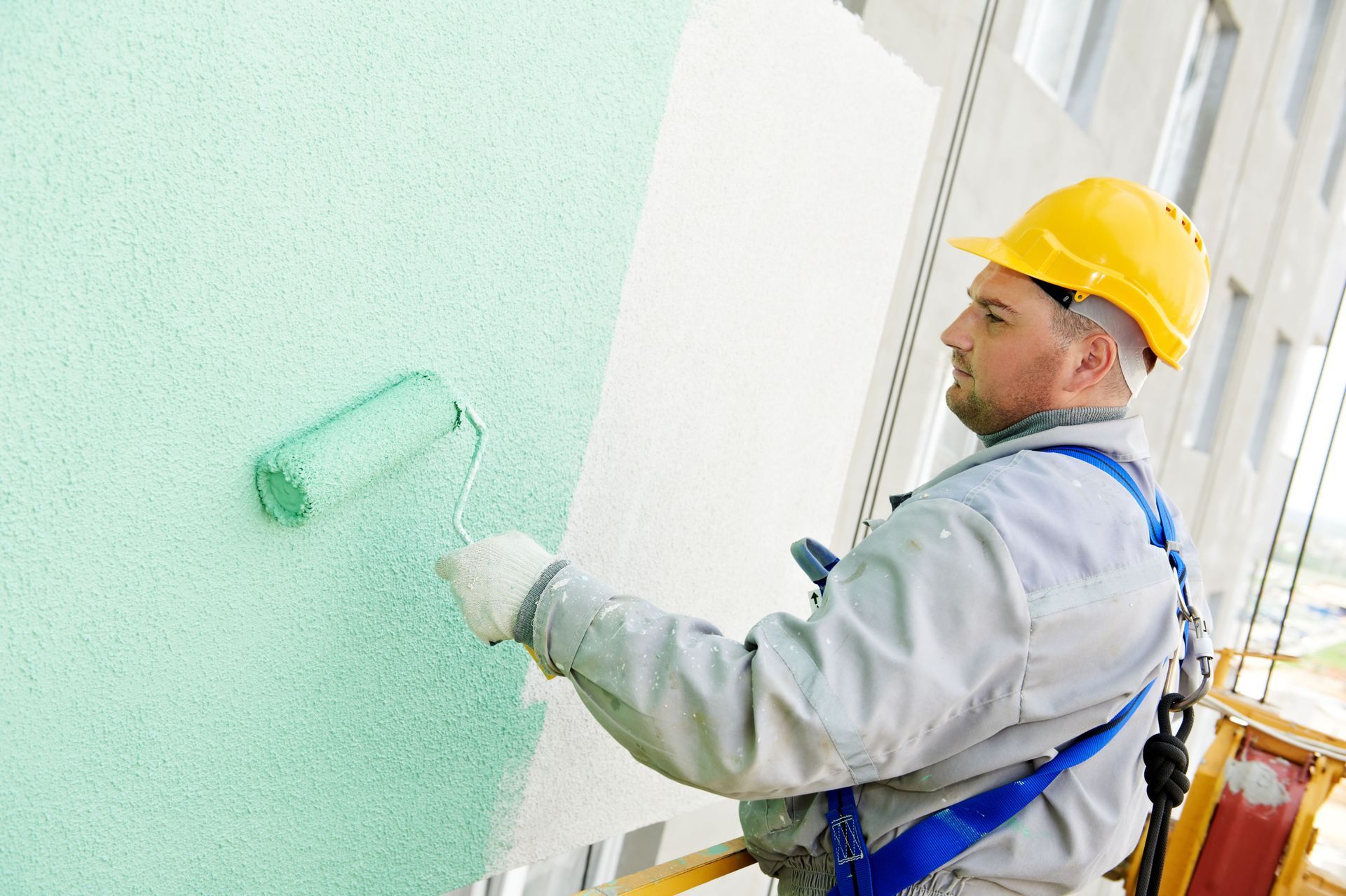
Brushes, rollers, and spray equipment each have appropriate uses. The choice depends on surface texture, access, coating specifications, and the need to protect adjacent areas. Office walls and exterior siding may require different methods. The contractor should follow manufacturer guidance on temperature, surface moisture, drying time, and application thickness.
Multiple coats may be needed for coverage and durability, but the required system depends on the product and existing surface. During a local commercial painting job, the crew should check coverage and finish consistency as work progresses rather than waiting until the final walkthrough. Adequate drying time also matters before areas return to normal use.
Communicating Progress and Addressing Changes
Even well-planned projects can uncover additional damage or require schedule adjustments. A designated contact on each side makes decisions easier. Owners should know how often they will receive updates, who can approve extra work, and how changes affect the cost or completion date. Document decisions when multiple tenants are involved.
Updates should cover completed areas, access needs, delays, and finish quality. If a concern arises, raising it while the crew is still on site may be simpler than addressing it weeks later. Communication works best when it is specific and documented, not limited to general assurances that everything is on track.
Inspecting the Finished Work and Cleaning the Site
At completion, crews should remove protective materials, dispose of waste appropriately, and restore work areas. A final walkthrough offers a chance to review the work against the proposal. Check visible coverage, edges, repaired areas, and surfaces that may need touch-ups.
In a local commercial painting project, owners should identify any outstanding items before signing off. A written punch list can record corrections and who is responsible for them. Confirm when painted areas can be cleaned, furnished, or exposed to routine traffic, since coatings may need additional curing time after they feel dry.
Understanding Maintenance and Warranty Details
After completion, retain the contract, product names, color information, and any written warranty. Ask what workmanship coverage includes, how long it applies, and whether certain conditions are excluded. Product and labor warranties differ; neither guarantees indefinite durability.
Different coatings need different cleaning methods. Harsh products, pressure washing, and repeated abrasion can damage some finishes. Regular inspections can reveal peeling, sealant failure, or moisture problems before they spread. Owners should also understand how to request a touch-up or report an issue if one appears later. These small steps make future maintenance more straightforward.
Planning a Successful Commercial Painting Project
Good results depend on preparation, appropriate products, and direct communication. Choosing a contractor should involve reviewing the proposed scope and discussing how the work will fit around property use, not simply accepting the quickest schedule or lowest bid.
Peters Painting LLC provides commercial painting services, including interior and exterior work. Contact the company to discuss your building's needs and request an estimate. Asking detailed questions about
local commercial painting before work begins can help you make informed decisions and plan for a finished space that serves the people who use it.


Share On: